

Germany to Give Nightclubs Same Cultural Status as Opera Houses
The legislation shields independent venues from aggressive developers, soaring rents, and sudden eviction.
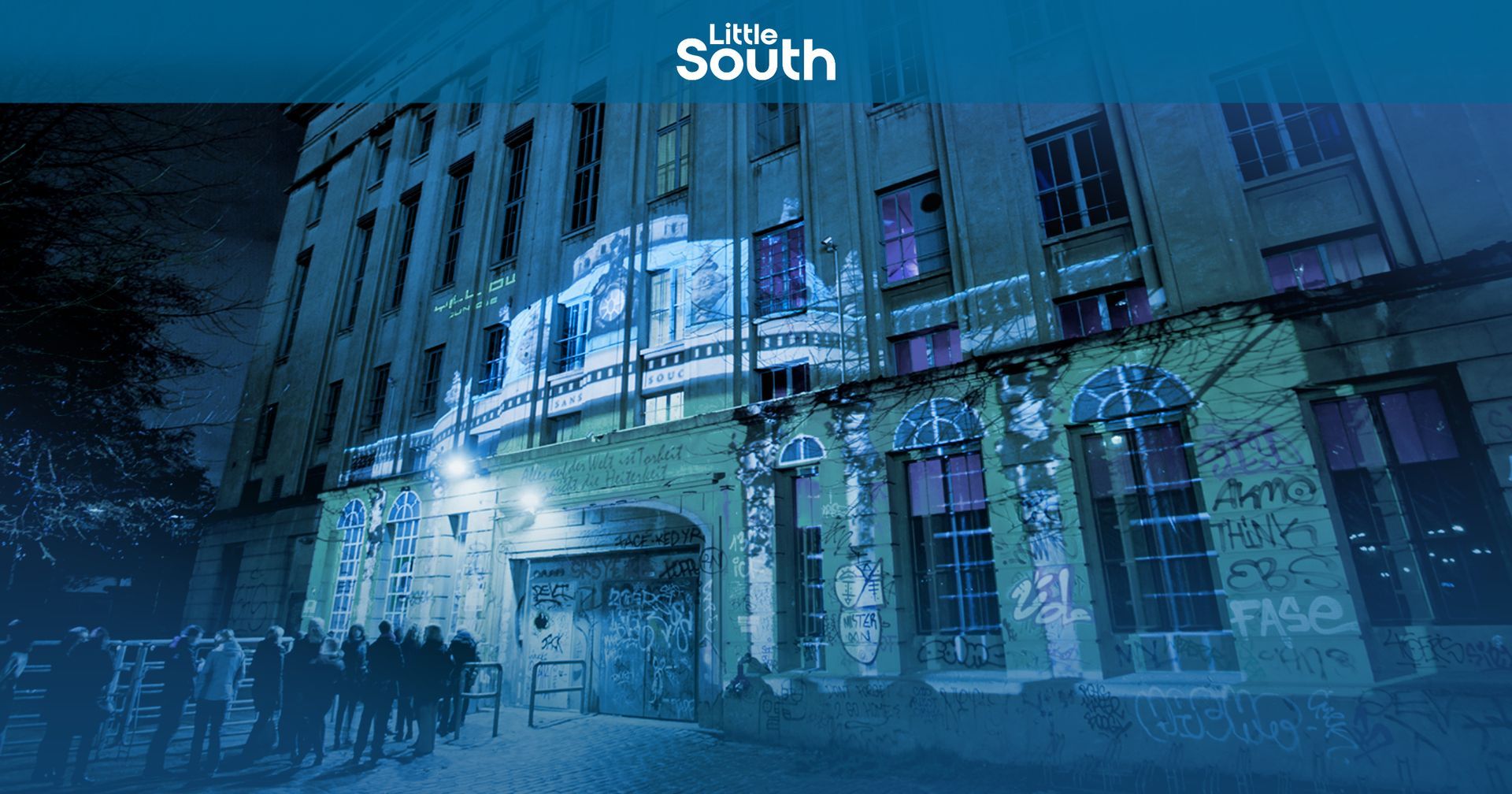
The German federal cabinet has officially approved a landmark legislative overhaul to formally recognize Germany nightclubs as cultural institutions. This strategic building regulation reform elevates music clubs from their previous planning classification—which lumped them alongside adult entertainment venues like casinos and brothels—and legally defines them as spaces providing distinct "cultural and artistic value". By shifting this status to match traditional high-culture venues like theatres and opera houses, the German government aims to halt the rapid wave of venue closures affecting the country's world-famous nightlife.
This updated building law explicitly protects venue operators from predatory real estate developers, skyrocketing commercial rents, and sudden evictions. Under the new framework approved by Chancellor Friedrich Merz’s cabinet, culturally relevant nightclubs will gain the legal scope to operate within mixed-use urban areas and specific residential zones. According to prominent nightlife lobbyists from the LiveKomm association, the statutory update finally adapts an outdated, 20th-century legal system to the modern reality of club owners who actively nurture emerging talent and curate live music artists.
While advocates have lobbied for this federal policy change since early 2020, the structural overhaul still requires final approval from the Bundestag and the Bundesrat. However, widespread cross-party political support makes the legal passage highly probable, as reported by The Guardian. Once fully ratified, the historic change will safeguard Germany's music venues, ensuring that nightlife hubs continue to drive local tourism and shape urban identity without the constant threat of commercial displacement.
These legislative updates directly counter "clubsterben" (club death), a devastating trend of widespread venue closures and systemic uncertainty that has threatened German nightlife for decades. Iconic Berlin nightlife institutions—including Watergate, Salon Zur Wilden Renate, and SchwuZ—have faced immense financial and real estate pressures, spotlighting the vulnerability of the underground music scene. By establishing clear legal protections, the new building regulations aim to halt these closures, safeguard historic cultural landmarks, and preserve the economic and social fabric of Germany's world-famous club culture.

Written by