

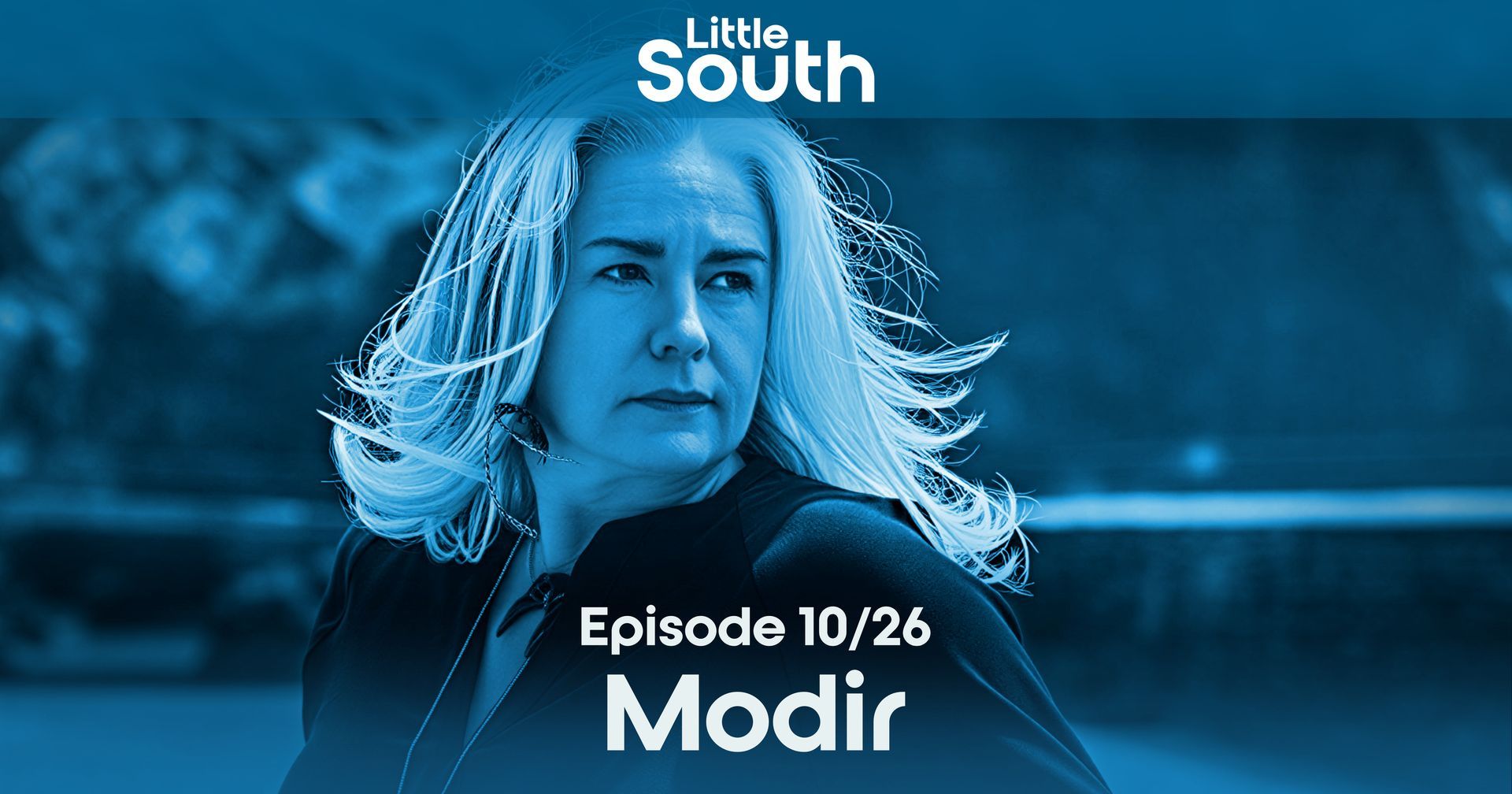
Modir Summer House Mix
Episode 10/26
Modir
Born in Liverpool and now based in Cornwall, MODIR is a seasoned figure in the underground dance community whose roots trace back to legendary free parties and warehouse culture. Coming up through foundational collectives like Circus Warp, Tonka Hi-Fi, and Cultural Vibes, MODIR’s entry into music was driven by community, atmosphere, and human connection rather than professional ambition. This cultural immersion naturally birthed a DJ style that seamlessly bridges deep house, minimal, and tech house, heavily enriched by a lifelong appreciation for rare groove, disco, funk, and soul. Rejecting the modern tendency to silo dance music into rigid genres, MODIR focuses on taking listeners on an expansive journey, using deep basslines to pull crowds outside their comfort zones while maintaining a unified, magnetic energy until the final track.
While occasionally appearing at major festivals like Glastonbury or working behind the scenes on large-scale event production, MODIR finds the true heartbeat of the culture in intimate, underground spaces. From hidden summer solstice gatherings in the Cornwall countryside to dedicated events hosted by the Forbidden Garden Party and Orbital Gathering crews, these smaller settings foster the deep connection and open-mindedness that fuel MODIR's artistry. After spending the past four years heavily dedicated to a rewarding youth music project, the artist is preparing to wrap up that chapter in August, freeing up the creative headspace to heavily ramp up DJ bookings into 2027. This renewed focus is perfectly captured in their latest podcast mix, a patiently blended selection that lets tracks breathe and fully unfold. Built around a continuous, rhythmic heartbeat, the mix weaves together diverse producers into a singular narrative thread, demonstrating exactly why MODIR remains a vital guardian of true underground energy.
Listen to the mix
Artist Interview
...I sit somewhere across deep house, minimal and tech house.
Please introduce yourself to those unfamiliar with your DJ sound.
Firstly, thanks to Little South for having me back, I really appreciate the invitation.
For those unfamiliar with me, I’m MODIR, born in Liverpool, based in Cornwall. I’ve been part of underground dance culture for many years and was lucky enough to experience some of the early free party and warehouse parties through collectives such as Circus Warp, Tonka Hi-Fi, Yikes, Lazy House, Alpha, Positivity Wasp Factory and Cultural Vibes.
I never really approached raving from the perspective of becoming a professional DJ. For me, it always started with the culture itself - the people, the atmosphere, the after parties and discovering music that connected people together. The DJing came naturally from that environment rather than the other way around.
Sound-wise, I sit somewhere across deep house, minimal and tech house. I also have a long-standing love for raregroove, disco, funk and soul, which still influence me today.
More than anything, I enjoy a deep base line and taking people on a journey. Dance culture has become quite siloed over the years, with people often staying within one very specific sound. I like pulling people slightly outside of those expectations and moving between styles in a way that still feels connected, while holding the crowd within a particular energy to the end of my set.
What are your highlights of the past year and what is planned for the future?
For me, the real highlights are always the smaller private parties and underground events. Those are usually the spaces where people genuinely want to hear you play and are more open to going on a journey with you.
There are a couple of parties each year that really restore my faith in dance culture and remind me why I started doing this in the first place. One in particular is a summer solstice gathering hidden away in deepest Cornwall, hosted by an incredible local artist, where I’ve played for the past three years.
I also have to give a shout out to the Forbidden Garden Party and the Orbital Gathering crew for the work they continue to do keeping underground culture alive, alongside Dave Green and Alex Smale for continuing to hold the Cultural Vibes parties together. I’m especially looking forward to playing with them again this year as Saturday features a full female lineup, which feels genuine.
I also think festivals and production spaces deserve recognition. I do love to play a festival including Glastonbury and appreciate being involved in the wider production environments around events. Working on production and comparing stages gives you a completely different perspective on audiences, atmosphere and how people experience music collectively. Tribes like Superfreq, Noisily (now ORIGIN) are also always worth the journey out of county for anyone searching for an underground energy with depth.
Looking ahead, the future feels exciting. Over the last four years I’ve been heavily focused on a separate youth music project that has taken up most of my time and energy, and while it’s been rewarding, it hasn’t left much space for dance culture. That youth element of my work comes to an end in August, which means more headspace to refocus on Djing and the plan is to play out a lot more into 2027.
Tell us something that you know now that you wished you knew when you first started DJing.
One thing I definitely didn’t fully understand when I first started DJing is just how important female representation on line ups really is.
The electronic music scene remains heavily male-dominated and, honestly, after all these years, that surprises me. I stepped away from the scene for a long period and when I came back around 2016, I genuinely expected things to have shifted more than they had. In many ways the culture had evolved massively, but the imbalance was still sitting there in plain sight.
Had I known 35 years ago that we would still be having the same conversations now, I probably would have fought harder and taken DJing more seriously as a platform for representation. Visibility matters. Seeing women, behind the decks matters. And creating genuine opportunities for women within underground music culture matters.
I also want to acknowledge the women involved in Sirens of Sound, which was created as a proactive female DJ network in the South West. The intention was always to support, connect and create more visibility for female DJs within the underground scene.
Like many female-led spaces, it eventually came up against some deeply embedded cultural dynamics and resistance to change. But we didn’t disappear. If anything, many of us simply became more aware of how much work is still needed to genuinely shift the scene in a meaningful way.
If there was ever a time for the scene to properly step up, support women and create meaningful space for a more diverse offer, it’s now.
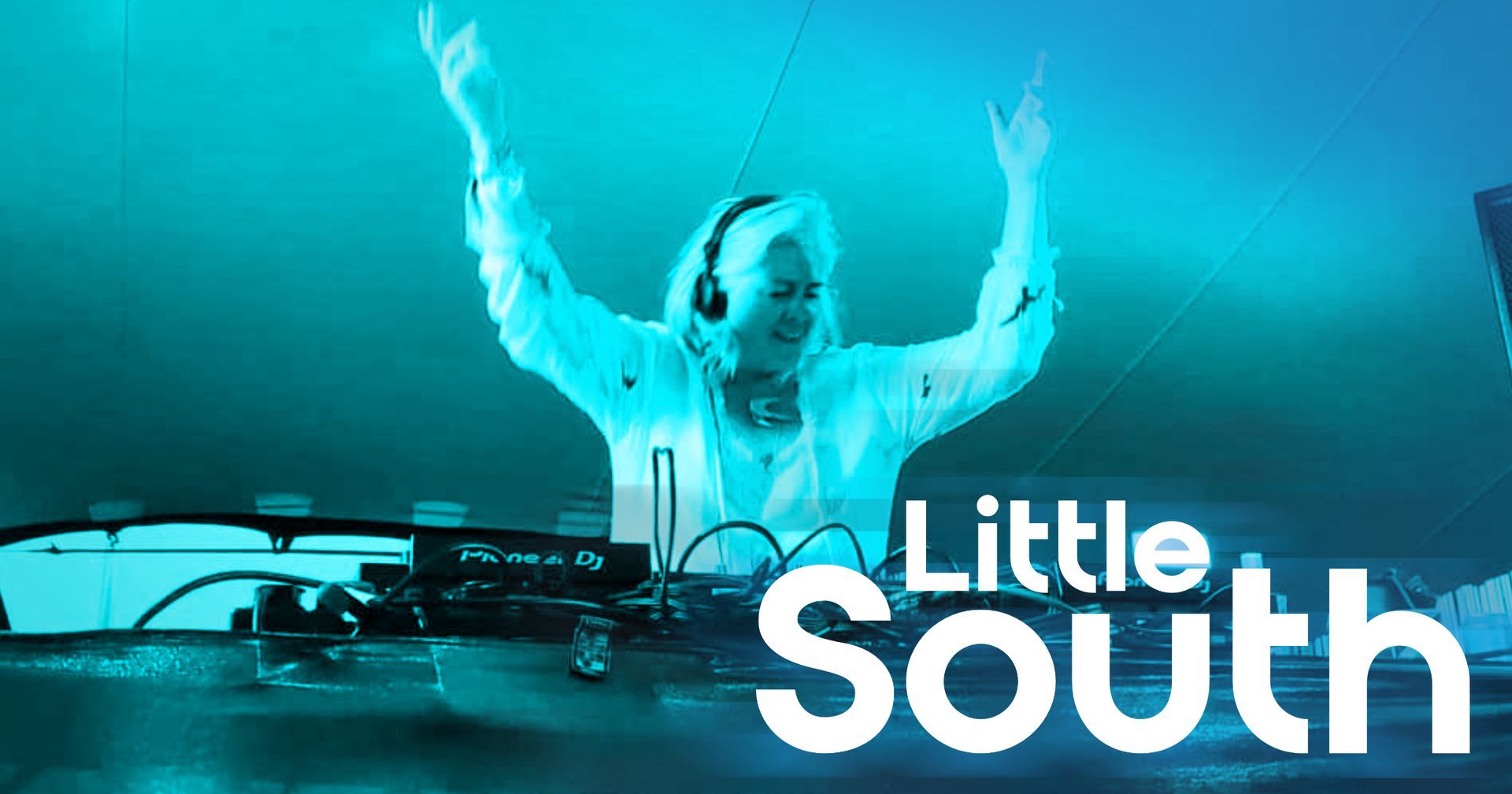
I like to let tracks breathe and allow the music to properly unfold.
What artists have inspired your DJ style?
That’s a difficult question for me to answer because my influences have come in waves across a very long journey through underground music culture.
If I go right back to the beginning, I’d probably start with an unsung hero, Steve Pointer “Track Jacker”, who was one of the first people to encourage me to get on the decks. There was definitely an early garage and deep underground house influence there, especially through the American imports he was getting hold of at the time.
Technically, a lot of my DJ education came through my friend Chris Heart “Flex”, who introduced me to a European sound rooted in Belgian and German techno and the underground labels of that era. Artists and labels like Sven Väth, Hardfloor, Platypus and Harthouse became part of my musical DNA.
There were also two other turning points that completely reshaped my ears. The first came through Simon DK, one of the founders of DIY. I happened to spend a weekend Raving with Simon many years ago in Torquay and the conversations, records and musical approach completely reframed my understanding of deep house and underground culture. His passing was a huge loss to the scene and his influence still reaches far beyond what many people realise.
The second turning point came through Silverfish and DJ Murf and labels like Plink Plonk, who introduced me to minimal tech and trance-tech sounds at a time when those styles still felt deeply underground and experimental. Murph genuinely shifted my understanding of what electronic music could be.
Even now, I constantly search for new underground producers and emerging artists. I really like Toman and Josh Butler, and producers like Mihai Popoviciu and Ron Seikaly continue to inspire me because they carry depth and authenticity within their production values.
I’ve always been drawn towards music that feels honest. I’m not particularly interested in reworks or recycled edits unless the remix genuinely adds something meaningful to the original piece and nowhere is that more real than Modern Disco with Dr Packer, Purple Disco Machine and Michael Gray setting the standard for me.
Talk us through your podcast mix track selection.
With this podcast mix, I wanted to create a clear thread running through the entire selection — something connected and rhythmic that carries people from track to track. I’m always searching for that heartbeat within a set, where even when the genres or textures shift slightly, there’s still an underlying feeling holding everything together.
I like to let tracks breathe and allow the music to properly unfold. For me, if a producer has put time, energy and emotion into creating a piece of music, I think that deserves space within the mix.
The mix moves through different producers, with a connective thread running underneath it from beginning to end.
Explore our full podcast mix catalogue
Our episodes are available from your favourite provider




Written by